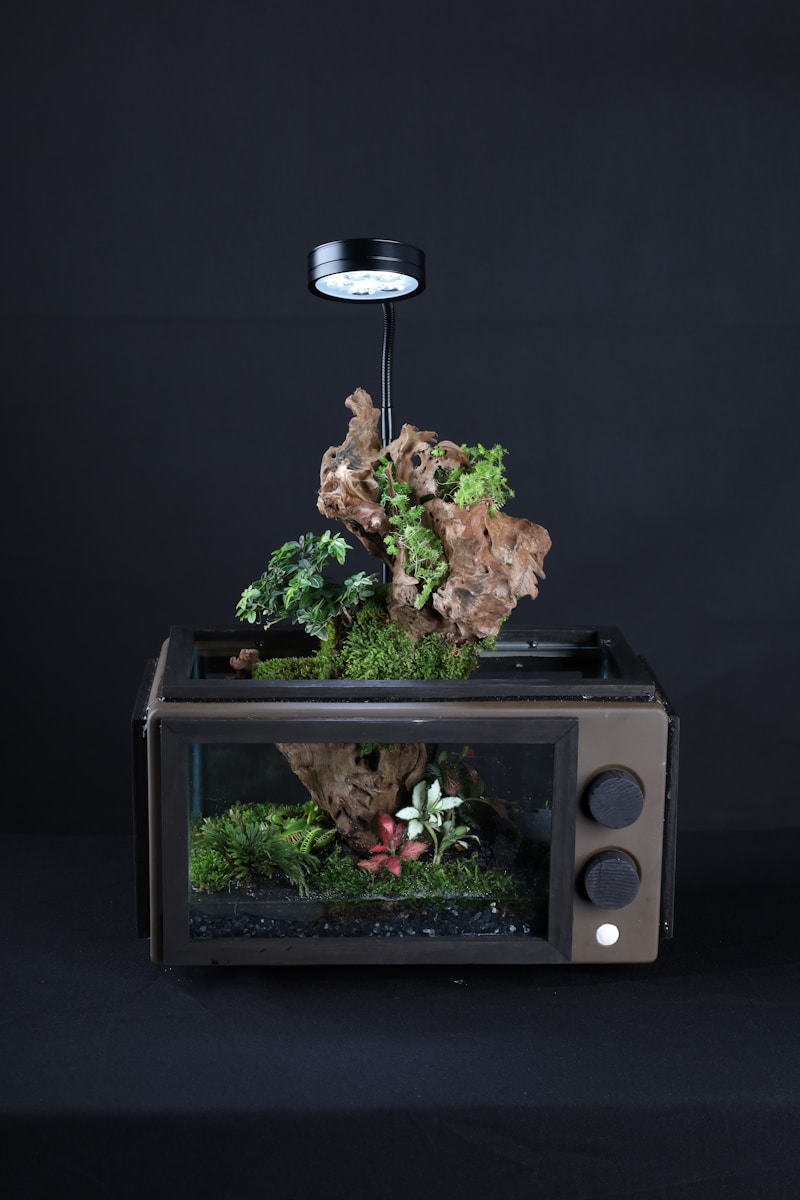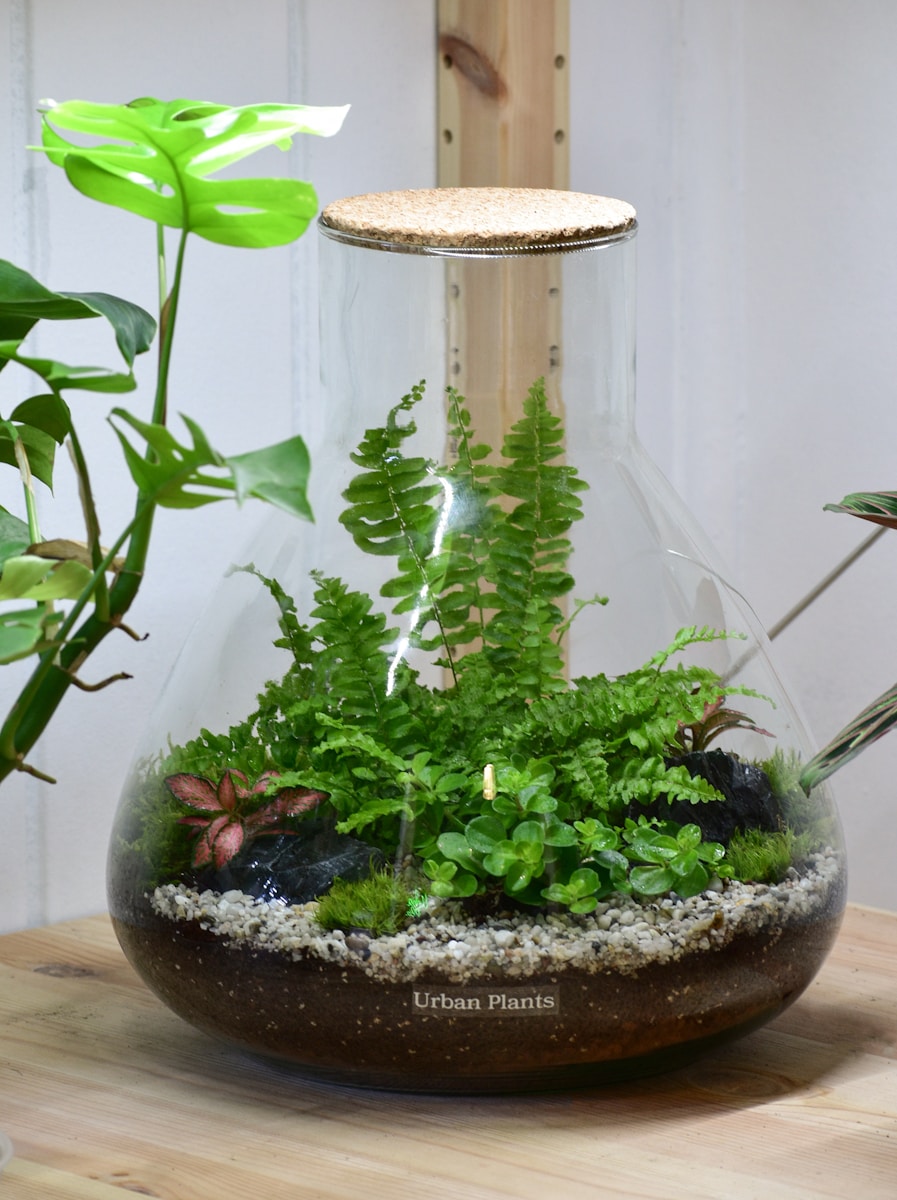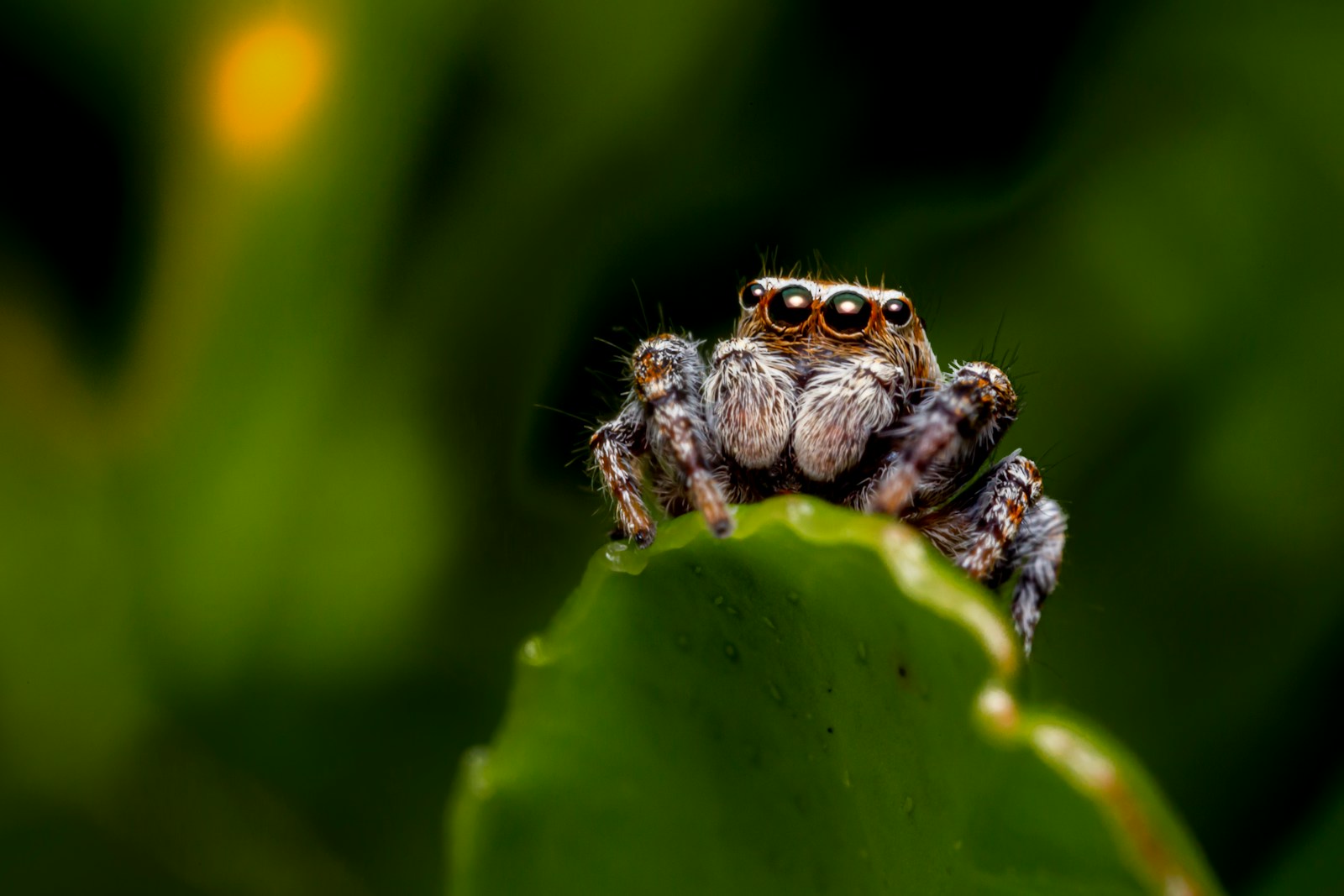
Imagine a Pet Cage That Cleans Itself
That’s not science fiction—that’s what a Cleanup Crew does for your spider enclosure. I remember the first time I kept a jumping spider in a basic plastic container with paper towels. Within three days, the leftover cricket parts started smelling funky, mold spots appeared on the substrate, and I was cleaning poop with tweezers every other day. It was exhausting.
Then I discovered bioactive setups with a Cleanup Crew, and everything changed. Now my enclosures smell like fresh forest soil, not like a forgotten gym bag. The secret? Tiny employees working 24/7 to eat waste, mold, and decomposing matter before it becomes a problem.
What is a “Cleanup Crew”? It’s a community of beneficial insects—specifically Springtails and Isopods—that live in your substrate and consume organic waste. Think of them as your tank’s janitorial staff. Your spider is the star of the show, but these little guys keep the stage clean.
The benefit is immediate: No more mold outbreaks, no foul odors, and your maintenance time drops from daily cleanings to maybe once a week for misting. In my experience, this is the single upgrade that transformed spider keeping from a chore into a hobby I actually enjoy.
Meet Your Tank Employees
Let me introduce you to the two heroes of every bioactive enclosure. They’re not pests, they’re not food (usually)—they’re your partners in creating a self-sustaining mini-ecosystem.
Employee #1: Springtails (The Mold Eaters)
What they do: Springtails (order Collembola) are microscopic insects that specialize in eating mold, fungus, algae, and bacteria. You know that white fuzzy stuff that appears on damp substrate? Springtails devour it before it spreads. They’re like the invisible cleaning crew that works the night shift—you rarely see them, but you notice when they’re gone.
Size: Tiny—most are 1-3mm long and look like specks of walking dust or salt grains. When you mist the enclosure, you’ll see hundreds of them bouncing around on the glass like tiny popcorn kernels.
Fun fact: They have a special forked tail called a “furcula” that they keep tucked under their body. When startled, they release it like a catapult and launch themselves into the air. That’s where the name “Springtail” comes from! Watching them bounce around after misting is honestly mesmerizing.
Species I use: Temperate Springtails (often sold as “tropical” or “temperate” without specific species names). They’re bombproof—I’ve never managed to kill a culture, even when I forgot to feed them for months.
Important distinction: Springtails are not food for your spider. They’re too small and fast. Your jumper will ignore them completely, which is perfect because you want them alive and working.
Employee #2: Isopods (The Heavy Lifters)
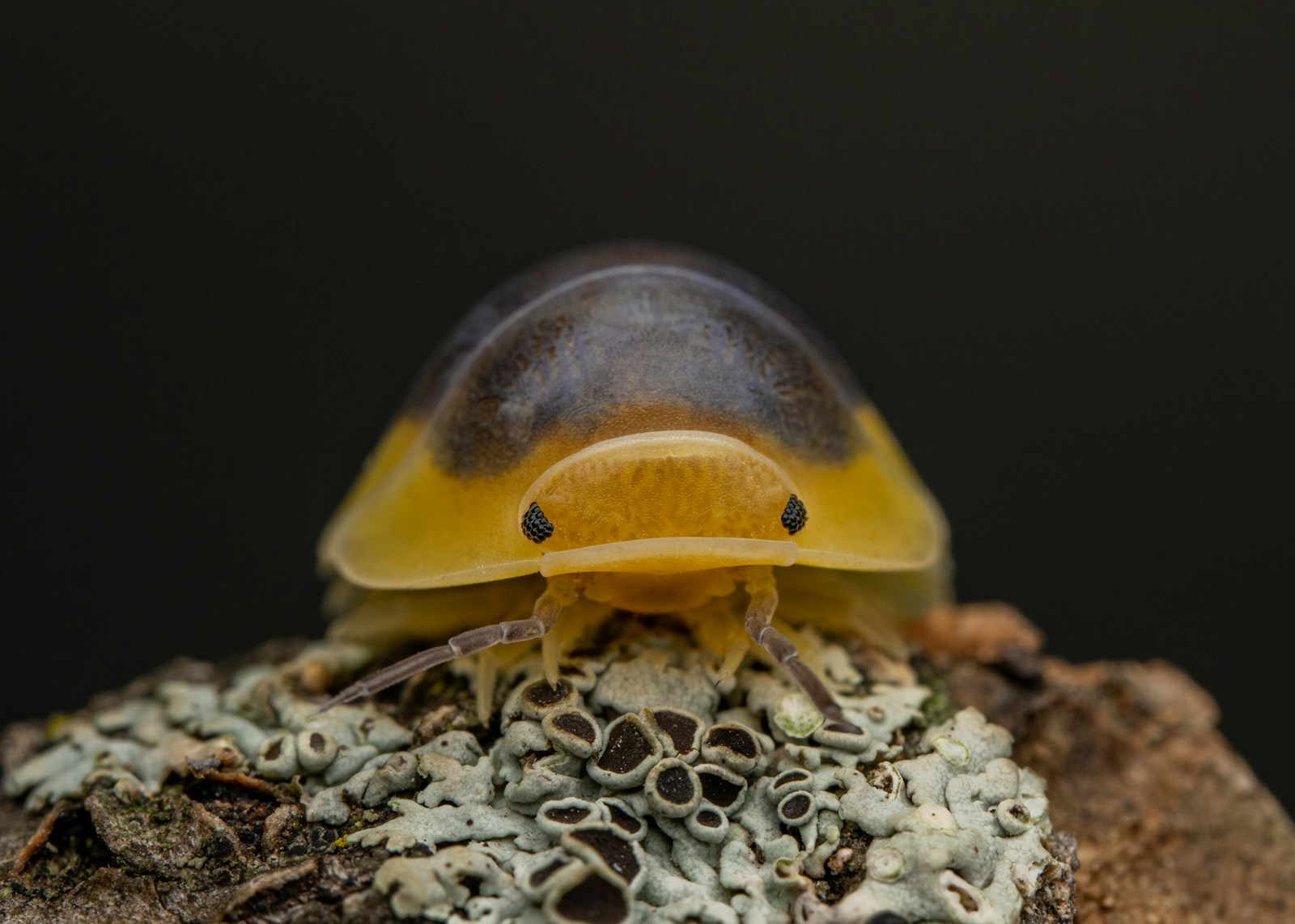
What they do: Isopods are terrestrial crustaceans (related to shrimp, believe it or not) that handle the big jobs. They eat spider poop, decaying leaf litter, dead crickets your spider didn’t finish, shed exoskeletons, and anything else organic. They’re the cleanup crew’s “heavy equipment operators.”
Also known as: Roly-polys, pill bugs, woodlice, potato bugs. If you’ve ever turned over a log in your backyard and seen gray bugs curl into balls, those are isopods! The ones we use in bioactive tanks are just smaller, specialized species.
Size: Varies by species (see chart below), but most bioactive-safe isopods are 3-8mm long—about the size of a grain of rice.
Why they’re adorable: I know calling bugs “cute” is subjective, but honestly, watching a tiny Dwarf White Isopod trundle around carrying a piece of leaf twice its size is peak wholesome content. They’re like miniature armored cows grazing in your tank.
Important distinction: Unlike Springtails, some larger isopods could theoretically be eaten by your spider, but species like Dwarf Whites are too small and fast for most jumpers to bother hunting. They spend most of their time hiding under leaf litter anyway, so conflict is rare.
Which Species Should You Buy? (Cheat Sheet)
Not all Cleanup Crew members are created equal. Some are perfect for spider enclosures, others are too big, too slow, or just too expensive for a functional role. Here’s what I’ve learned after trying six different species:
| Species | Best For | Difficulty Level | Price | Notes |
|---|---|---|---|---|
| Temperate Springtails | All bioactive setups | Beginner (impossible to kill) | $0-8 | The standard choice. Reproduce quickly. Handle temperature swings. |
| Tropical Springtails | High-humidity setups | Beginner | $0-8 | Nearly identical to temperate; slightly prefer 75°F+ temps. |
| Dwarf White Isopods (Trichorhina tomentosa) | Spider tanks, small enclosures | Beginner | $6-15 | Tiny (3-4mm), fast-reproducing, won’t stress your spider. My top pick. |
| Powder Orange Isopods (Porcellionides pruinosus) | Larger tanks, reptiles | Intermediate | $8-12 | Bigger (8-10mm), more visible. Can stress small spiders. Better for tarantulas. |
| Dairy Cow Isopods (Porcellio laevis) | Large reptile tanks only | Intermediate | $8-15 | Avoid for jumping spiders. Too big (15-18mm), too aggressive. They’ll outcompete Dwarf Whites and stress your pet. |
| Rubber Ducky Isopods (Cubaris sp.) | Display/breeding projects | Advanced | $30-80+ | Designer species. Adorable but expensive and slow-reproducing. Use Dwarf Whites for actual cleaning. |
| Giant Canyon Isopods (Porcellio dilatatus) | Show tanks, collectors | Intermediate | $12-20 | Beautiful but huge (20mm+). Not functional for small spider enclosures. |
My actual recommendation for beginners:
- Temperate Springtails (get a free culture from r/springtails or pay $8 shipped)
- Dwarf White Isopods (buy 10-15 for $6-12 at a reptile expo or online)
That’s it. Don’t overthink it. These two species will handle 95% of cleanup duties in a jumping spider enclosure.
Common Fear: “Will They Infest My House?”
Direct answer: No. Absolutely not.
I get this question constantly, and I understand the concern—nobody wants bugs crawling out of their pet’s tank and setting up shop in the kitchen. But here’s the science that puts this fear to rest:
Springtails and Isopods have gills. Not lungs—gills. They breathe through moisture on their bodies. If they escape your humid bioactive enclosure into the dry air of your home, they dehydrate and die within minutes to hours. They physically cannot survive in your carpet, walls, or furniture.
Real-world test: I once accidentally knocked over a Springtail culture container in my bedroom. Hundreds spilled onto my wood floor. I panicked, grabbed the vacuum, and… by the time I got back (maybe 5 minutes later), they were already curling up and dying. I just swept up the tiny bodies. None survived.
Isopods are even more fragile in dry environments. They need constant moisture to breathe. Your home’s 30-50% humidity is a death sentence for them. Even if one somehow escaped the tank and made it to your bathroom (the most humid room in most houses), it would still dry out unless you literally had standing water and rotting wood for it to hide in.
What about bathroom infestations of “silverfish” or “house centipedes”? Those are completely different species adapted to survive in human homes. The bioactive species we use (Temperate Springtails, Dwarf White Isopods) are specialized for high-humidity environments and cannot make that adaptation.
Bottom line: Your Cleanup Crew is contained by physics, not just the tank walls. They need 70%+ humidity to survive, and your home doesn’t provide that. You’re safer with them than with any traditional “pet” that could escape.
How to Add Them to Your Tank
Setting up a Cleanup Crew is shockingly easy. There’s no complicated acclimation process like with fish—you literally just dump them in and let them figure it out.
Step 1: Buy a “Culture”
For Springtails:
- A “culture” is a small deli cup or container with substrate (usually charcoal, rice, or dirt) full of Springtails
- You can get them free from hobbyist forums (r/springtails, reptile Facebook groups)—people culture them and give away extras for just shipping costs
- Or buy for $8-15 from sites like Josh’s Frogs, NEHerp, or eBay sellers
- You’ll receive hundreds to thousands in a single culture
For Isopods:
- A “starter colony” is 10-20 individuals in a small container
- Reptile expos are the cheapest source ($6-10 for Dwarf Whites)
- Online sellers charge $10-20 shipped
- MorphMarket, Craigslist, and local reptile groups often have hobbyists selling for less
How many do you need?
- Springtails: Dump the entire culture into your tank. You want hundreds. They’ll reproduce to match the available food supply.
- Isopods: Start with 10-15 Dwarf Whites for a 6″x6″x8″ jumping spider enclosure. They’ll breed up to 50-100+ within a few months.
Step 2: Dump Them Directly onto the Substrate
For Springtails:
- Open the culture container
- Tap or pour them directly onto your tank’s substrate
- They’ll immediately burrow into the soil and start exploring
- You might not see them for days—that’s normal. They’re nocturnal and hide in the substrate
For Isopods:
- Gently pour them onto a pile of leaf litter or near the substrate
- They’ll scatter and hide under leaves/bark within seconds
- Don’t worry if you can’t find them afterward—they’re shy and will come out at night
When to add them: I add the Cleanup Crew at least 2 weeks before introducing my spider. This gives them time to establish colonies and start reproducing. If you add them at the same time as your spider, they won’t have built up numbers yet and might struggle to keep up with waste.
Step 3: Add Leaf Litter (This Is Their House)
Leaf litter is critical—it’s not just decoration. It serves as:
- Food for Isopods (they eat the decomposing leaves)
- Shelter for both species (they hide underneath)
- Breeding grounds (Isopods lay eggs in the litter)
- Humidity regulation (retains moisture)
What I use: Oak or magnolia leaves collected from pesticide-free areas (my yard, local parks). I rinse them, bake at 200°F for 20 minutes to sterilize, then add a 1-2″ layer on top of the substrate.
Maintenance tip: As the leaves break down (every 2-3 months), I add a few fresh ones. That’s literally it.
Step 4: Optional Supplemental Feeding
In a well-established bioactive tank with a spider that eats regularly, your Cleanup Crew will have plenty of food (poop, dead feeders, plant matter). But if your spider is a picky eater or you’re running a tank with no animals yet, you can supplement:
For Isopods:
- A single grain of uncooked white rice every 2-4 weeks
- Tiny piece of vegetable (carrot, zucchini, sweet potato)
- Fish flakes (tiny pinch)
- Calcium source: cuttlebone powder or crushed eggshells (helps with molting)
For Springtails:
- A few grains of dry active yeast sprinkled on the surface once a month
- They’ll also eat fish flakes
Important: Don’t overfeed. I made this mistake early on—I gave my Isopods a whole baby carrot, and it molded before they could finish it. Now I use pieces the size of a lentil, and they disappear within 24 hours.
Monitoring Your Cleanup Crew (How to Know It’s Working)
Signs of a healthy Springtail population:
- You see them bouncing on the tank glass after misting
- No visible mold or fungus growth on substrate, wood, or leaves
- The substrate smells earthy, not musty
Signs of a healthy Isopod population:
- You occasionally see tiny babies (called “mancae”—they’re translucent white and adorable)
- Leaf litter is slowly breaking down into soil
- Spider poop disappears within 24-48 hours
Red flags:
- You never see Springtails after misting → Population may have crashed (add more or check humidity)
- Isopods are all hiding in one spot → Substrate might be too wet or too dry in other areas
- Mold is growing out of control → Not enough Springtails, or you’re overfeeding the Isopods
The cool part: Once established, the Cleanup Crew becomes self-regulating. If there’s lots of waste, they reproduce faster. If waste decreases, their population shrinks. It’s a balanced ecosystem that requires almost zero intervention.
The “Feeder vs. Janitor” Distinction (Important!)
One of the most common questions I get: “Will my spider eat the Cleanup Crew?”
Short answer: Not usually, and it doesn’t matter if they do occasionally.
Here’s why:
Springtails are too small and too fast. Even baby jumping spiders ignore them. I’ve watched my Phidippus regius sit on a leaf covered in Springtails, and she didn’t react at all. They’re not recognized as prey—they’re like the cleaning bots in sci-fi movies that the characters just step over.
Dwarf White Isopods are also too fast for most jumpers to bother hunting. They scatter at the slightest vibration and spend 90% of their time buried under leaf litter where your spider can’t reach them. Could a jumper catch one? Technically, yes. But it’s rare.
Even if your spider eats a few Isopods, it’s fine. They reproduce so quickly (especially Dwarf Whites, which are parthenogenetic—females can reproduce without males) that losing a few individuals doesn’t impact the colony. I’ve had jumpers snack on an Isopod here and there, and the colony still thrived.
What about larger spiders like tarantulas? Some terrestrial tarantulas will hunt Isopods, especially slower species like Dairy Cows. That’s why we use Dwarf Whites for all spider enclosures—they’re small, fast, and reproduce quickly enough to outpace predation.
The bottom line: Your Cleanup Crew and your spider coexist peacefully. They have different niches in the ecosystem. The spider is the apex predator eating crickets and flies; the Cleanup Crew is the decomposer layer eating waste. It’s a team effort.
Conclusion: Bioactive Is a Team Effort
Your spider might be the star of the enclosure, but the Cleanup Crew is the backstage crew making the whole production possible. Without them, you’re stuck with a high-maintenance setup that smells bad and requires daily cleaning. With them, you have a self-sustaining mini-ecosystem that practically runs itself.
I’ve been keeping bioactive jumping spider tanks for over a year now, and I can’t imagine going back to sterile containers. The difference is night and day:
- Before Cleanup Crew: Tweezers in hand every other day, mold battles, bad smells
- After Cleanup Crew: A quick mist twice a week, maybe trim a plant once a month
Your spider will be healthier, happier, and more active in a bioactive setup. And you’ll spend less time on maintenance and more time just enjoying your pet.
Ready to build? Now that you understand why the Cleanup Crew is essential, check out our $50 Bioactive Jumping Spider Setup Guide to see exactly how to install them in your tank. I walk through the complete parts list, step-by-step instructions, and all the mistakes I made so you don’t have to.
Got questions? The bioactive community is incredibly supportive. Drop into r/bioactive, r/jumpingspiders, or r/isopods, and you’ll find experienced keepers happy to help troubleshoot. We all started as beginners afraid of “bug infestations,” and now we’re all competing to see who can grow the cutest Isopod colony.
Welcome to the bioactive side. Your spider (and your free time) will thank you.