The Verdict First: PVC Is the 2026 Gold Standard for Most Geckos
For tropical species like Crested Geckos, Gargoyle Geckos, and Day Geckos, PVC (Polyvinyl Chloride) enclosures are the clear winner in 2026 because they hold humidity effortlessly, insulate against heat loss, and create stable microclimates essential for bioactive setups. If you’re keeping arid species like Leopard Geckos, glass works fine—but even then, PVC’s superior insulation cuts your heating costs by 30-40% compared to glass.
I learned this the hard way. My first Crested Gecko lived in a beautiful Exo Terra 18″x18″x24″ glass terrarium. It looked stunning on my shelf, but I was misting 3-4 times a day just to keep humidity above 60%. My heating bill spiked because the glass radiated warmth into my room instead of keeping it inside the enclosure. When I upgraded to a Zen Habitats PVC enclosure, my misting dropped to once daily, my gecko’s shed quality improved dramatically, and my electric bill went down $15/month.
But here’s the nuance: Glass isn’t “bad”—it’s situational. If you’re a beginner with a single gecko, limited budget, and access to cheap used aquariums, glass is a perfectly functional starting point. The problem is when you scale up—multiple enclosures, bioactive builds, or humidity-sensitive species. That’s where PVC dominates.
Let me break down exactly why material choice matters more than most pet stores admit.
The Conflict: You’re Standing in the Pet Store
You’re staring at three options on the shelf:
- A heavy glass terrarium ($60-120) with a mesh screen top
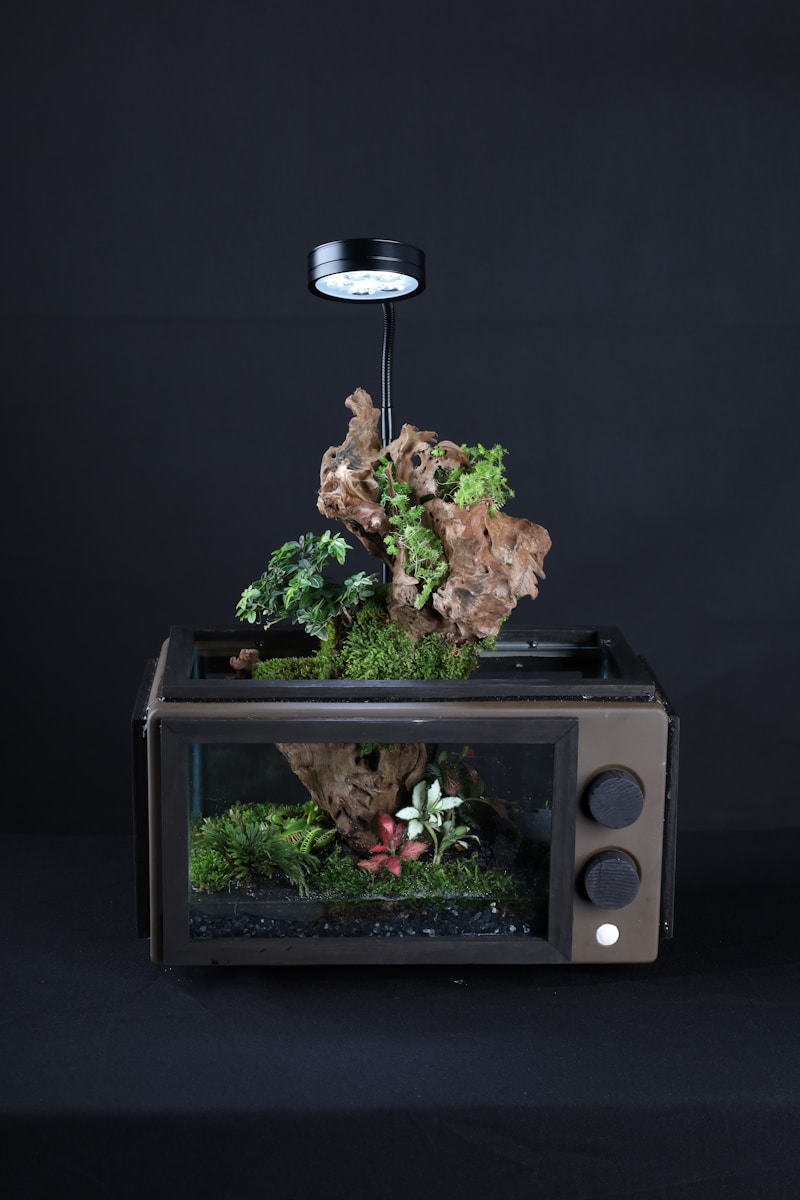
- A sleek PVC enclosure ($180-350) that looks like a modern appliance
- A cheap mesh cage ($30-60) marketed for “ventilation”
The store employee tells you glass is “traditional” and “works great.” But online forums are screaming about PVC. Your friend with a Chameleon swears by mesh. Who’s right?
The “old” advice: For decades, everyone used glass aquariums because that’s all that existed. We accepted the downsides—heavy weight, heat loss, rusted screen tops—because there was no alternative. It worked, so we didn’t question it.
The “new” reality in 2026: PVC technology has matured. What used to be a niche product for breeders ($400+ custom builds) is now mass-produced by companies like Zen Habitats, Dubia.com, and Custom Cages for $150-250. The material advantages are so significant that PVC has become the default recommendation for intermediate and advanced keepers.
But does that mean glass is obsolete? Not quite. Let me show you the actual tradeoffs.
The Contenders (At a Glance)
Here’s the reality of what you’re choosing between, based on my experience owning all three types:
| Material | Best For | Insulation Rating | Price Range | Weight (18″x18″x24″) | Bioactive Suitability | Humidity Retention |
|---|---|---|---|---|---|---|
| Glass | Viewing, arid species, beginners on a budget | Poor (conducts heat away) | $60-150 | 35-50 lbs (very heavy) | Moderate (needs sealing) | Low (screen top leaks) |
| PVC | Tropical species, bioactive, multi-enclosure setups | Excellent (insulates well) | $150-350 | 15-25 lbs (lightweight) | Excellent (waterproof, durable) | Excellent (solid panels) |
| Mesh/Screen | Chameleons ONLY | None (open airflow) | $30-80 | 5-10 lbs (lightest) | Terrible (everything dries out) | Terrible (0% retention) |
| Wood (DIY) | Custom builds, experienced keepers | Good (natural insulator) | $40-100 (materials) | 20-40 lbs | Poor (rots without sealant) | Good (if sealed properly) |
Quick interpretation:
- Glass = Beautiful to look at, functional for dry species, but physically exhausting to move and expensive to heat
- PVC = The “set it and forget it” choice that costs more upfront but saves money and effort long-term
- Mesh = A trap for geckos (only use for Chameleons or outdoor temporary housing)
- Wood = Advanced DIY territory (requires polyurethane sealing and careful moisture management)
1. Glass Terrariums (The Classic)
Popular brands: Exo Terra, Zoo Med, Reptizoo, Zilla
Glass has been the reptile hobby standard for 40+ years, and for good reason—it works. But “works” doesn’t mean “optimal.”
Pros: Why Glass Still Has a Place
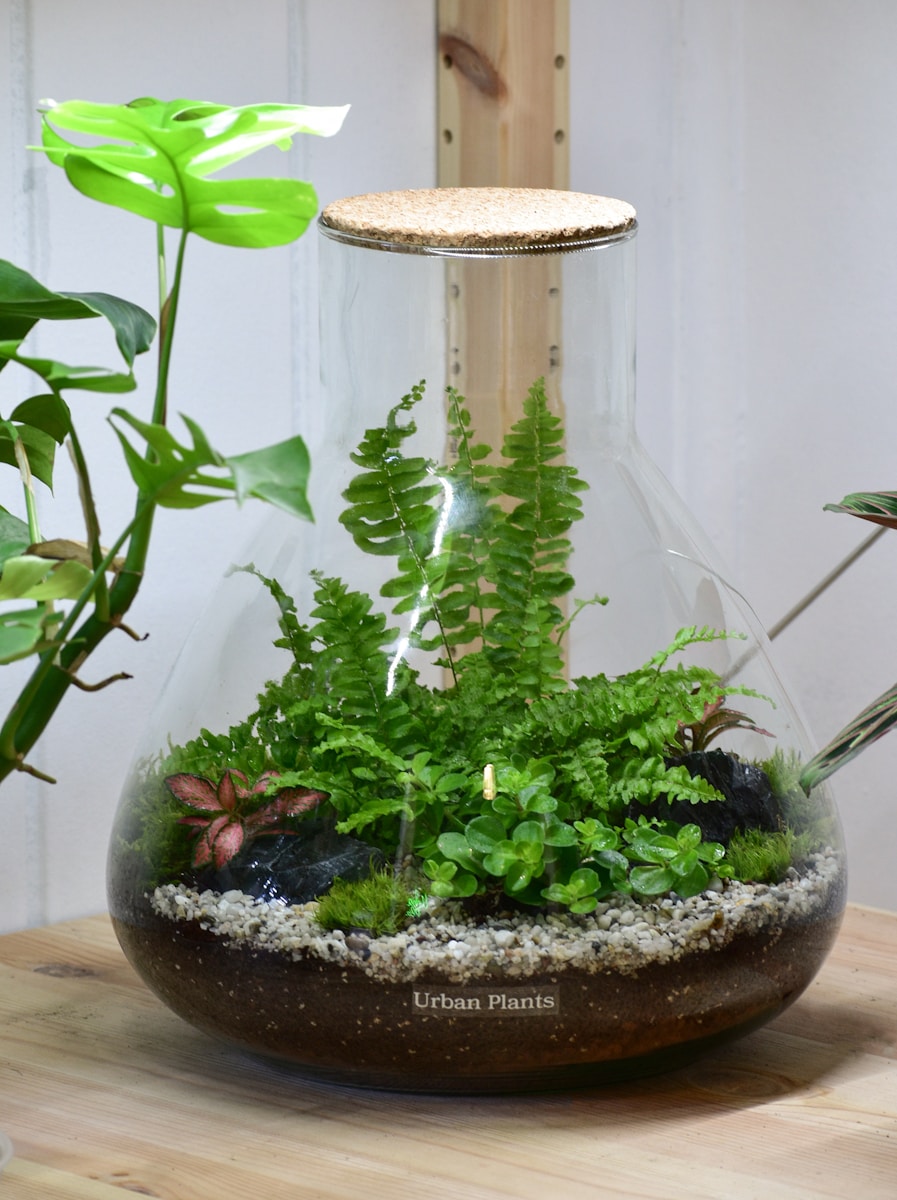
Visibility is unmatched: There’s something magical about a beautifully planted bioactive glass tank where you can see your gecko from every angle. Guests immediately notice it. Photography is easier. You feel more connected to your pet because there are no visual barriers.
Waterproof bottom tray: Most glass terrariums come with a raised glass bottom and waterproof seal, which makes bioactive drainage layers easy to install. I’ve never had a leak with glass.
Easy to find used: Facebook Marketplace, Craigslist, and thrift stores are flooded with $20-40 used glass tanks. For beginners testing the hobby, this is a low-risk entry point.
Established product ecosystem: Every pet store carries glass. Replacement parts (screen tops, backgrounds) are standardized. You’re never stuck waiting for specialty components.
Doesn’t retain odors: Unlike some cheaper plastics, glass is inert. If you need to deep-clean or repurpose the tank, bleach and water completely sterilize it.
Cons: The Hidden Costs of Glass
Weight is a serious problem: My Exo Terra 18″x18″x24″ weighs 42 pounds empty. Add 4″ of bioactive substrate, hardscape, plants, and water, and you’re pushing 70+ pounds. I threw out my back moving it once. If you need to rearrange your room, clean behind the tank, or transport it, glass is a nightmare.
Poor insulation kills your electric bill: Glass is a thermal conductor. In winter, heat radiates out of the tank into your room. In summer, your room’s heat radiates in. I measured this with a thermal camera—the glass walls of my Crested Gecko tank were 8-10°F cooler than the interior air. That means my heat lamp was working overtime to compensate, costing me an extra $10-15/month.
Screen tops are humidity killers: The mesh screen tops on glass tanks let moisture evaporate constantly. For tropical species (Crested Geckos, Gargoyle Geckos, Day Geckos), you’ll mist 2-4 times daily just to maintain 60-70% humidity. Miss a day, and you risk stuck shed on toes and tail tips.
Screen tops rust: The metal mesh corrodes over time, especially in bioactive setups where you’re misting daily. I’ve replaced three screen tops in five years—each costs $20-30.
Cracking risk: Drop it once, and it’s game over. I’ve seen glass tanks shatter from a 2-foot fall. The gecko survived (thank god), but the cleanup was dangerous—glass shards everywhere.
Verdict: Good for Beginners, Bad for Scaling Up
Glass works if you’re:
- Keeping a single arid species (Leopard Gecko, African Fat-Tailed Gecko)
- On a tight budget and buying used
- Prioritizing aesthetics over functionality
Glass doesn’t work well if you’re:
- Keeping tropical species that need 60%+ humidity
- Building bioactive (misting constantly is exhausting)
- Planning to own multiple geckos (the weight adds up fast)
My recommendation: If you’re brand new to geckos and want to test the hobby with a $30 used 10-gallon aquarium, go for it. But if you’re serious about long-term keeping, save up for PVC. You’ll thank yourself in six months.
2. PVC Enclosures (The Modern Choice)
Popular brands: Zen Habitats, Dubia.com, Custom Cages, Freedom Breeder, Vision Cages
PVC enclosures are transforming the reptile hobby the same way LED grow lights transformed indoor gardening—they just work better in every measurable way.
Pros: Why PVC Is Taking Over in 2026
Humidity retention is effortless: PVC is non-porous and the panels are solid (no mesh top). Moisture stays inside. I went from misting my Crested Gecko 3x/day in glass to 1x/day in PVC. Humidity holds steady at 65-75% for 12+ hours after a single misting session. The difference is game-changing for bioactive setups.
Insulation saves money: PVC is a thermal insulator. Heat stays inside the enclosure instead of radiating through the walls. I compared my heating costs:
- Glass setup: 25W heat lamp running 10 hours/day = $12/month
- PVC setup: Same gecko, same room, 15W heat lamp running 6 hours/day = $5/month
Over a year, PVC paid for itself in energy savings.
Lightweight means freedom: My Zen Habitats 18″x18″x24″ weighs 18 pounds empty—less than half the weight of an equivalent glass tank. I can lift it with one hand. Rearranging my room takes minutes instead of recruiting a friend to help.
Stackable for multi-gecko setups: PVC enclosures are designed to stack vertically with connector brackets. I now have three gecko enclosures in the same footprint that one glass tank used to occupy. This is a breakthrough for apartment dwellers.
Opaque sides reduce stress: Glass tanks expose your gecko to visual stimuli from all directions—people walking by, other pets, room lights. PVC enclosures have solid sides with a transparent front panel only. My Gargoyle Gecko is noticeably calmer in PVC—less glass-surfing, more natural behavior.
Drilling and mounting is easy: Want to install an automatic mister? Mount a drainage bulkhead? Add a camera? PVC is soft enough to drill through with basic tools, but durable enough to hold hardware securely. Glass requires diamond drill bits and risks cracking.
Doesn’t rot (unlike wood): Sealed wood vivariums are beautiful, but if the sealant fails (and it eventually does), water damage is catastrophic. PVC is chemically inert—you can hose it out, bleach it, and it’ll look new.
Cons: The Upfront Investment and Logistics
Expensive initial cost: A quality PVC enclosure runs $150-350 depending on size and brand. That’s 3-5x the cost of a used glass tank. For hobbyists on a strict budget, this is a dealbreaker.
Long shipping times and costs: PVC enclosures are bulky, and most companies ship freight or FedEx with 2-4 week lead times. Shipping adds $40-80 to the total cost unless you’re near a warehouse. I waited three weeks for my Zen Habitats order.
Less aesthetic appeal (subjective): Some keepers feel PVC looks “industrial” compared to the crystal-clear beauty of glass. The solid sides mean you can only view your gecko from the front. If display aesthetics are your top priority, this might bother you.
Requires assembly: Most PVC enclosures ship flat-packed like IKEA furniture. Assembly takes 30-60 minutes with basic tools. Not difficult, but glass tanks are ready out of the box.
Fewer used options: Because PVC is newer, the secondhand market is small. You’re unlikely to find a $30 used PVC enclosure like you would with glass.
Why PVC Wins for Bioactive Setups
This is where PVC becomes the undisputed champion. Bioactive vivariums require:
- High humidity (for microfauna like Springtails and Isopods)
- Stable temperatures (so beneficial bacteria can break down waste)
- Waterproof construction (to prevent rot and leaks)
- Easy access for misting systems and drainage
PVC checks all four boxes effortlessly. Glass struggles with #1 and #2. Wood struggles with #3. Mesh fails at everything.
Specific advantage for bioactive builders: PVC doesn’t absorb moisture, so even with a 2″ water table in your drainage layer, the walls won’t warp, mold, or degrade. I’ve run high-humidity bioactive setups in PVC for 18 months with zero structural issues. My old wood vivarium started delaminating at the seams after 8 months despite polyurethane sealing.
Verdict: The Long-Term Investment That Pays Off
If you can afford the upfront cost, PVC is objectively superior for any tropical gecko species or bioactive build. It’s lighter, cheaper to operate, easier to maintain, and better for your animal’s health.
My recommendation:
- For Crested Geckos, Gargoyle Geckos, Day Geckos, Leachianus: Buy PVC. Period.
- For Leopard Geckos in arid setups: PVC is still better (insulation helps with heat), but glass is acceptable if budget-constrained.
- For breeders or multi-gecko households: PVC is non-negotiable. The space and energy savings are massive.
3. Mesh/Screen Cages (The Trap)
Popular brands: Zoo Med ReptiBreeze, Exo Terra Screen Terrarium
Let me be blunt: mesh cages are marketed to beginners, but they’re a setup for failure with geckos.
The Trap: Why New Owners Buy These
Walk into any chain pet store, and you’ll see Zoo Med ReptiBreeze cages for $40-60 with labels like “Excellent Ventilation!” and “Prevents Mold!” A well-meaning employee will tell you “chameleons and geckos love these.”
Half of that advice is correct. Chameleons do need maximum airflow. Geckos do not.
Why to Avoid Mesh for Geckos (Usually)
Humidity is impossible to maintain: Mesh has open airflow on all six sides. Every time you mist, the moisture evaporates within 30-60 minutes. I tested this with a hygrometer—humidity spiked to 80% immediately after misting, then crashed to 35% within an hour.
For tropical geckos that need sustained 60-70% humidity, you’d have to mist every 1-2 hours around the clock. That’s not realistic unless you install an expensive automatic misting system ($150+), at which point you’ve spent more than a PVC enclosure costs.
Stuck shed is guaranteed: Low humidity = stuck shed on toes, tail tips, and eyes. I’ve seen geckos lose toes because their owner kept them in mesh cages and couldn’t maintain humidity. It’s heartbreaking and completely preventable.
Zero insulation: Mesh doesn’t retain heat. Your basking spot will be correct, but ambient temps will match your room temp. If your house drops to 65°F at night, so does the entire enclosure. Geckos need stable temps for digestion.
Bioactive is non-viable: Springtails and Isopods need 70%+ humidity to survive. In a mesh cage, your cleanup crew will die within days. The substrate will dry into concrete. Bioactive simply doesn’t work.
Feeder insects escape: Crickets and roaches can squeeze through mesh. I’ve had crickets escape and chirp behind my walls for weeks. Not fun.
The Exception: Chameleons Need 100% Airflow
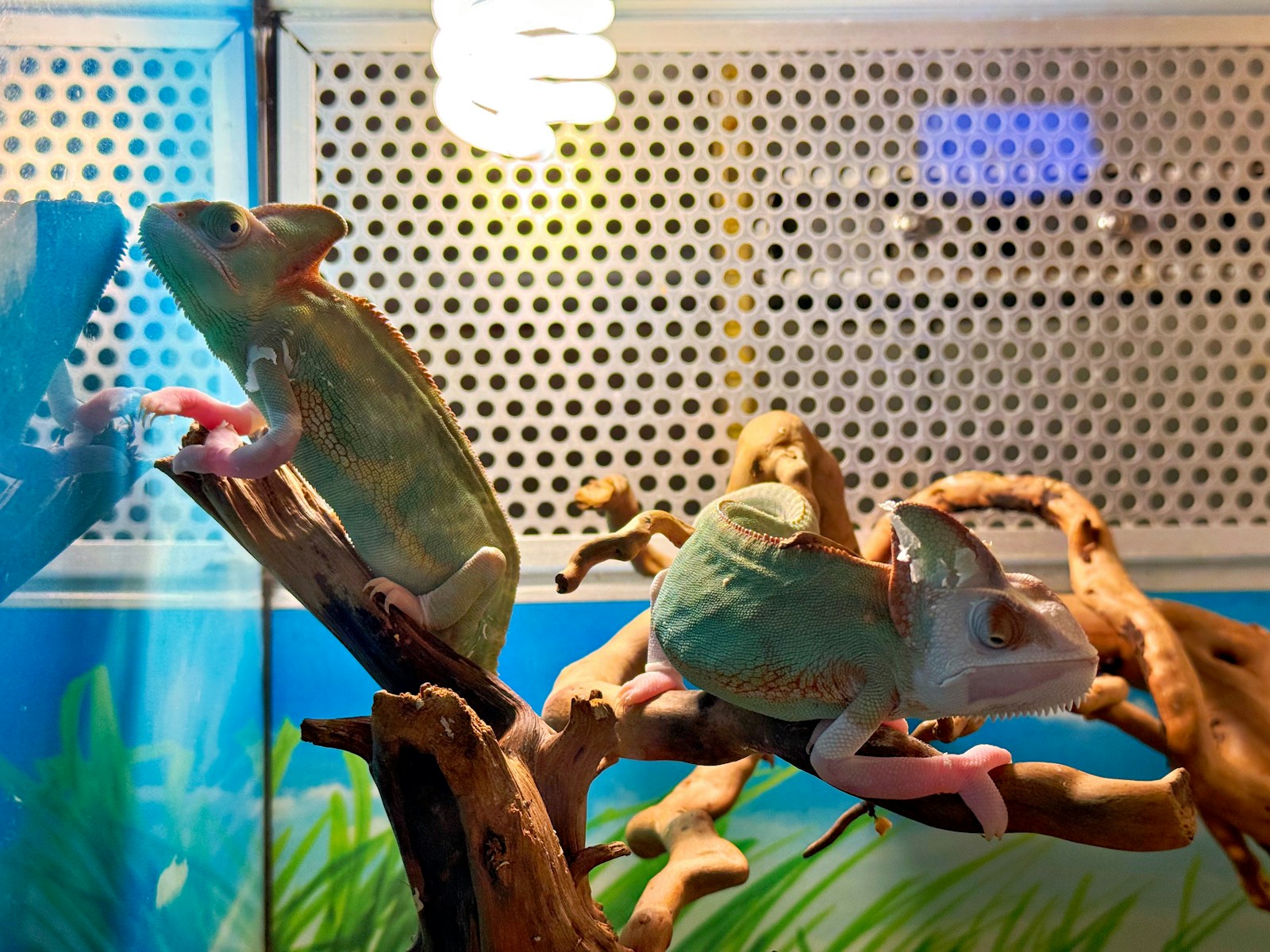
Mesh cages exist for a reason—Veiled Chameleons, Panther Chameleons, and Jackson’s Chameleons are arboreal species from high-altitude regions with constant air circulation. They’re prone to respiratory infections in stagnant, high-humidity enclosures. For these species only, mesh is appropriate.
But geckos? No. Even arboreal geckos like Crested Geckos live in humid tropical forests, not windy mountain slopes.
Verdict: Don’t Buy Mesh for Geckos
Hard rule: If the pet store employee tries to sell you a mesh cage for a gecko, politely decline and walk away. They’re either uninformed or prioritizing a sale over your pet’s welfare.
Only exception: Temporary outdoor housing in summer (for species that tolerate temps 75-85°F) when you’re supervising constantly. Even then, I’d rather use a glass or PVC enclosure.
4. Wood Vivariums (DIY Territory)
Popular brands: Custom builds, Vivarium Electronics, or DIY from Home Depot plywood
Wood enclosures fall into a niche category—mostly custom builds by advanced keepers who want specific dimensions or aesthetics.
Pros: Natural Insulation and Customization
Insulation is excellent: Wood is a natural insulator (better than glass, comparable to PVC). Heat stays inside efficiently.
Fully customizable: Want a 48″x24″x36″ vivarium? Build it yourself for $60-100 in materials. You control dimensions, door placement, and ventilation design.
Looks stunning: A well-built wood vivarium with stained oak or walnut finish is a piece of furniture. It integrates into home decor better than industrial-looking PVC.
Cons: Rot, Warping, and Maintenance
Wood rots without proper sealing: You must seal all interior surfaces with pond-safe polyurethane or epoxy resin. Miss a seam, and water infiltrates. I’ve seen wood vivariums develop mold inside the walls after just six months.
Warping from humidity: Even sealed wood can warp slightly over time in high-humidity environments. Doors stop closing properly, seams separate.
Heavy like glass: A 24″x18″x36″ plywood vivarium weighs 40-60 pounds—comparable to glass.
Requires woodworking skills: If you’ve never used a circular saw, drill press, or router, you’re going to struggle. Budget 10+ hours for your first build.
Verdict: Only for Advanced DIYers
If you have woodworking experience, tools, and want a custom size/aesthetic, wood can work. But for 95% of keepers, the maintenance risk isn’t worth it when PVC exists.
My recommendation: Skip wood unless you’re an experienced builder and you’re using high-quality marine-grade sealant (like Drylok or epoxy).
Case Study: My Crested Gecko’s Upgrade from Glass to PVC
Let me give you a real-world comparison based on my own experience upgrading Mango, my 3-year-old Crested Gecko.
The Glass Era (18 Months)
Setup: Exo Terra 18″x18″x24″ glass terrarium Substrate: 3″ ABG bioactive mix Heating: 25W ceramic heat emitter (CHE) on thermostat Misting: Manual spray bottle, 3-4x daily Cleanup Crew: Temperate Springtails + Dwarf White Isopods
Problems I faced:
- Humidity swings: After misting, humidity hit 80%. Two hours later, it dropped to 45%. I misted at 7am, noon, 5pm, and 10pm to keep it above 60%.
- High heating costs: The CHE ran 10-12 hours/day to maintain 72-75°F because heat radiated through the glass.
- Frequent stuck shed: Despite my best efforts, Mango had stuck shed on his tail tip twice. I had to do sauna treatments (placing him in a humid container to soften the shed).
- Cleanup crew struggled: My Springtail population crashed twice because humidity was too inconsistent.
Monthly costs: ~$18 in electricity for heating/lighting
The PVC Era (Current, 12 Months)
Setup: Zen Habitats 18″x18″x24″ PVC enclosure Substrate: Same 3″ ABG mix Heating: 15W deep heat projector (DHP) Misting: Manual spray bottle, 1x daily (evening) Cleanup Crew: Same species, thriving
Improvements:
- Stable humidity: One misting session holds humidity at 65-75% for 14-18 hours. I mist once in the evening, and it’s still humid the next afternoon.
- Lower heating costs: The DHP runs 4-6 hours/day max. The PVC insulation keeps ambient temps stable.
- Perfect sheds: Mango has had flawless, one-piece sheds every time. No stuck shed in 12 months.
- Cleanup crew thriving: My Isopod population exploded—I now have 100+ visible individuals. Springtails are everywhere.
Monthly costs: ~$6 in electricity
The Math: Was PVC Worth the $220 Investment?
Cost difference per month: $18 (glass) – $6 (PVC) = $12 saved
Payback period: $220 / $12 = 18.3 months
After 18 months, the PVC enclosure paid for itself in energy savings. I’m now 12 months in, so I’ll break even in 6 more months. Every month after that is pure savings.
But the real value isn’t financial—it’s quality of life. I spend 5 minutes/day on gecko care now instead of 20. Mango is healthier. The bioactive system is more stable. I enjoy the hobby more because it’s not a chore.
Conclusion: If I could go back in time, I’d skip glass entirely and buy PVC from day one.
Final Recommendation: Match the Enclosure to Your Goals
Here’s my decision tree based on species, experience level, and budget:
For Tropical Species (Crested, Gargoyle, Day Geckos):
- Best choice: PVC (Zen Habitats, Dubia.com)
- Budget alternative: Glass with a modified top (cover 50-70% of screen with acrylic or glass to retain humidity)
- Avoid: Mesh at all costs
For Arid Species (Leopard Geckos, African Fat-Tailed):
- Best choice: PVC (insulation still helps with heating efficiency)
- Budget alternative: Glass works fine (humidity isn’t critical)
- Avoid: Mesh (still bad for heat retention)
For Beginners Testing the Hobby:
- Start with: Used glass ($20-40) or a 10-gallon aquarium
- Upgrade to: PVC within 6-12 months if you’re committed
For Breeders or Multi-Gecko Households:
- Only choice: PVC racks or stackable PVC enclosures
- Why: Space efficiency and operating costs are critical at scale
For Bioactive Builders:
- Only choice: PVC
- Why: Humidity retention and waterproof construction are non-negotiable
The Bottom Line: PVC Saves Money in the Long Run
Yes, PVC costs 3-5x more upfront than glass. But when you factor in:
- Lower electricity bills (30-40% reduction)
- Less frequent misting (saves time and water)
- Better animal health (fewer vet bills for shed issues or respiratory infections)
- Longer lifespan (PVC doesn’t crack, rust, or rot)
PVC is actually the budget choice over a 3-5 year timeline. Glass is only cheaper if you quit the hobby within the first year.
If you’re serious about keeping geckos—especially tropical species or bioactive setups—save up the extra $150 and buy PVC. Your gecko (and your future self) will thank you.
Ready to set up your PVC enclosure? Check out our guide on The Best Bioactive Substrates for Geckos to learn exactly what mix to use, how deep to layer it, and how to establish a thriving cleanup crew in your new PVC home.
Have questions about your specific species? Drop into r/crestedgecko, r/leopardgeckos, or r/bioactive—the community is incredibly helpful, and most of us have made the glass → PVC transition and can share our experiences.
Welcome to the PVC side. The humidity is perfect over here.